
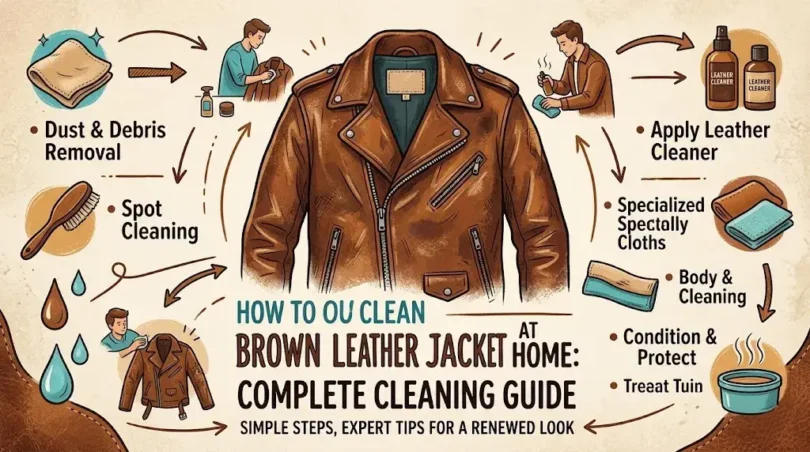
There is something about a Brown Leather Jacket that just feels different from everything else hanging in your wardrobe. It is not just a piece of clothing — it is something you build a relationship with over time. The creases that form where your elbows bend, the way the color deepens slightly after years of wear, the smell of it on a cold morning. Brown leather especially has this quality where it looks better with age, but only if you actually take care of it. Most people do not.
They wear it constantly, store it wrong, and then wonder why it starts cracking or fading after a couple of years. The truth is leather is skin . It needs cleaning, it needs moisture, and it needs a little attention every now and then. This guide is for people who want to Clean Brown Leather Jacket at home properly without spending money on professional cleaning services every few months.
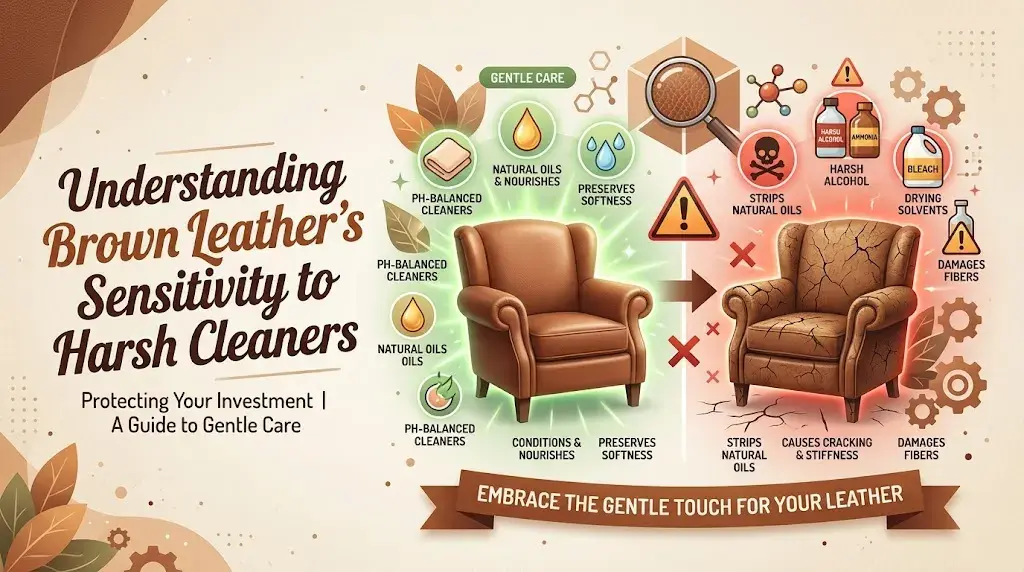
Understanding Brown Leather’s Sensitivity to Harsh Cleaners
The Unique Challenges of Brown Leather
Brown leather is more demanding than black leather and most people do not realize this until they have already made a mistake. Black leather hides a lot — water marks, minor scuffs, uneven conditioning. Brown leather shows everything. An uneven wipe with the wrong product and you will see streaking. Too much moisture in one spot and you get a darker patch that takes days to fade.
This is why Brown Leather Jacket Care is a topic worth taking seriously before you start cleaning rather than after something goes wrong. The tanning process used for brown leather also varies widely depending on the manufacturer. Which affects how the leather responds to different products and cleaning methods.
Understanding Your Leather Type
Before you touch your jacket with anything, you need to know what type of leather you are working with. Full-grain leather is the most durable and develops the best patina over time but it is also the most sensitive to harsh cleaners. Top-grain leather is more uniform and slightly more resistant to staining. Suede and nubuck are completely different animals and almost nothing in this guide applies to them — those require specialist treatment.
A proper Leather Jacket Cleaning Guide always starts here because using the wrong method on the wrong leather type is how people ruin good jackets. Check the label inside your jacket if you are unsure. At Vanquishe, every jacket comes with clear care instructions specifically because this step matters so much.
What to Gather Before Cleaning Your Brown Leather Jacket
Commercial vs. DIY Cleaners
Both work, but they work differently and carry different risks. Commercial leather cleaning supplies are formulated specifically for leather which means they are usually pH balanced. It likely to cause damage when used correctly. DIY cleaners using household items like vinegar, olive oil, or dish soap can work in a pinch. But they are inconsistent what works on one type of leather can strip, stain, or dry out another. If your jacket is expensive or particularly sentimental, commercial is the safer route. If you are dealing with a light clean on a jacket you are not too precious about, some home remedies work fine and we will cover those later.
Recommended Cleaning Supplies
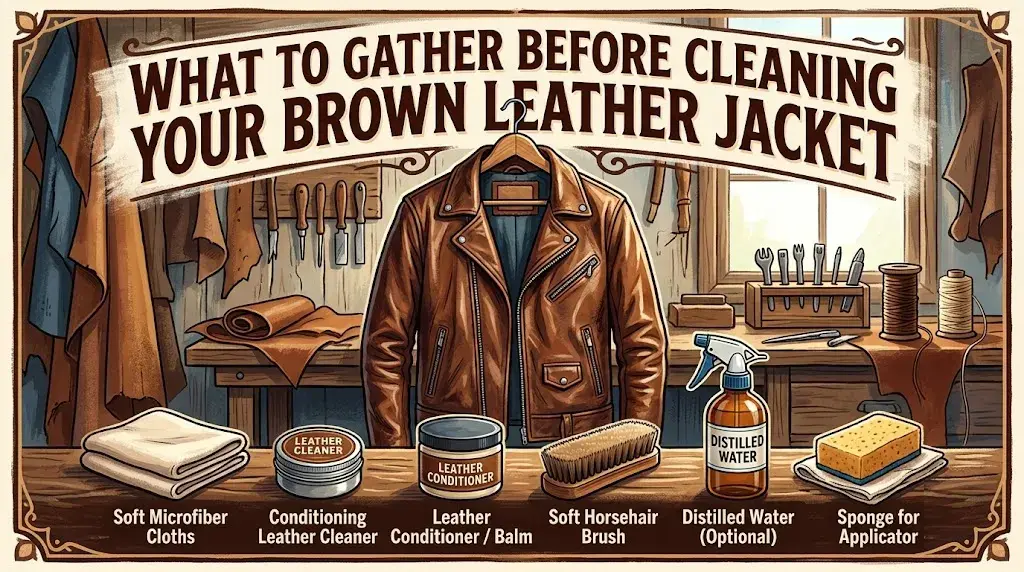
Here is what you actually need before you start: a pH neutral leather cleaner or a small amount of saddle soap. Two or three clean microfiber cloths, a soft-bristled brush for seams and crevices. A good leather conditioner, and a bowl of distilled or lukewarm water. Tap water is fine in most cases but if your area has hard water it can leave mineral deposits on leather over time. A microfiber cloth for leather is important because rough or textured cloths can scratch the surface, especially on softer leathers. Get everything out and ready before you start so you are not running to the kitchen mid-clean with a half-wet jacket sitting on your table.
Products to Avoid
Some things will absolutely damage your jacket and they are worth listing clearly. Avoid baby wipes — they contain alcohol and chemicals that dry leather out over time even though they feel gentle. Avoid acetone and nail polish remover, bleach in any form, petroleum-based products, and regular household soap. Dish soap specifically is too alkaline for leather and strips the natural oils out of it. Also avoid soaking leather in water or holding it under a tap — leather and excessive moisture are not friends. These are the basics of How To Clean Leather Jacket At Home without causing more damage than you started with.
A Complete Walkthrough for Cleaning Brown Leather
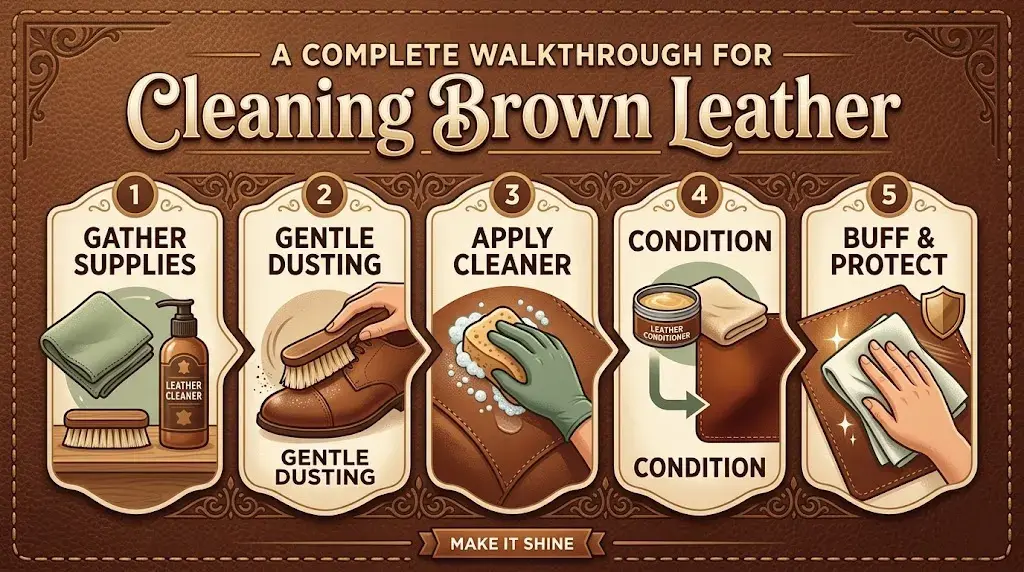
Cleaning leather jacket step by step does not have to be complicated but the order matters. Start by laying your jacket flat on a clean surface or hanging it on a sturdy hanger. Use your soft-bristled brush to go over the entire surface lightly this removes loose dust and debris that would otherwise get pushed around and scratched into the leather when you start wiping. Pay extra attention to seams, pockets, and collar areas where dust collects. Next, dampen one of your microfiber cloths with water — damp, not wet. Wring it out properly. Wipe down the entire jacket in slow, circular motions without pressing hard.
This lifts surface dirt without pushing it deeper into the grain. If you are using a leather cleaner, apply a small amount to the cloth rather than directly onto the jacket and work in section. Do not do the whole jacket in one pass. Work on one panel at a time, wipe, let it breathe slightly, then move on. Once the whole jacket has been wiped down, use a dry microfiber cloth to remove any remaining moisture. Do not leave the jacket wet. Hang it in a well-ventilated area away from direct sunlight or heat sources and let it dry naturally. Never use a hairdryer or heater to speed this up — heat damages leather fast and the effects are permanent.
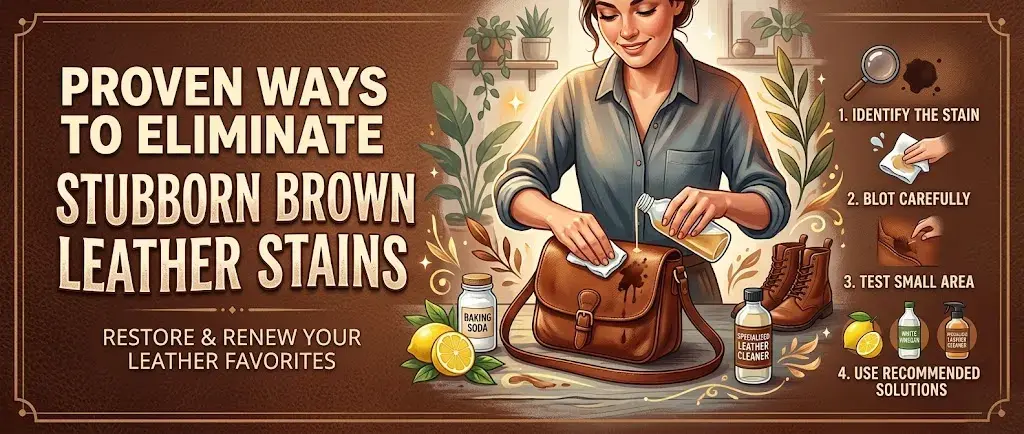
Proven Ways to Eliminate Stubborn Brown Leather Stains
General Stubborn Stains
Remove stains from leather jacket as quickly as possible — the longer a stain sits, the deeper it penetrates the grain and the harder it is to lift. For general stains from everyday wear, a slightly damp microfiber cloth used in gentle circular motions handles most things. For grease or oil stains, apply a small amount of cornstarch or baking soda directly onto the stain and leave it for a few hours. It absorbs the oil. Then brush it away gently and wipe the area clean. Leather stain removal for grease is one of those situations where patience matters more than scrubbing.
Ink Stains
Ink is one of the trickier ones. The Ink stain removal leather methods vary but the most reliable home option is isopropyl alcohol applied sparingly with a cotton swab directly on the ink mark. Do not rub outward — always work inward toward the center of the stain to avoid spreading it. Dab gently and repeat rather than pressing hard once. After the ink lifts, wipe the area with a damp cloth immediately to remove the alcohol and then condition that spot because alcohol dries leather out quickly.
Scratches and Scuffs
Light scratches on brown leather often respond well to gentle rubbing with a clean finger. The natural oils from your skin can help blend surface scuffs back into the surrounding leather. For deeper scratches, a small amount of leather conditioner or even a matching brown shoe polish applied carefully with a cotton swab can fill and conceal the mark. Home remedies to clean leather jacket scuffs using olive oil also work on a lot of leathers. Apply a tiny amount, buff gently, and wipe clean. Test any product on a hidden area first — inside the collar or under a flap — before applying it to a visible spot.
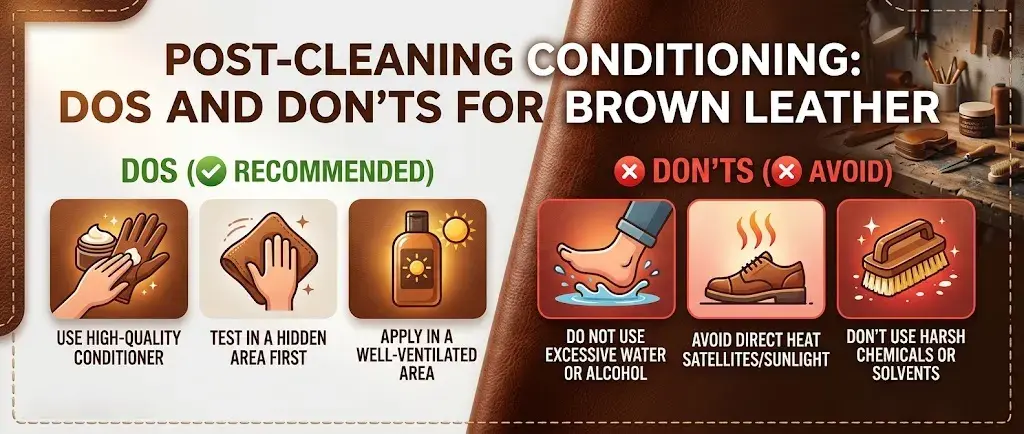
Post-Cleaning Conditioning: Dos and Don’ts for Brown Leather
Why Conditioning Matters
Cleaning removes dirt but it also removes some of the natural oils that keep leather flexible and soft. Skip conditioning after cleaning and over time your jacket will start to dry out, stiffen. Eventually crack along the flex points elbows, collar, and closure areas. Conditioning leather jacket after every clean is not optional if you want it to last. A good Leather Conditioner For Brown Jacket should be absorbed slowly and evenly without leaving a greasy surface residue. Apply it with a clean cloth in small circular motions and work it in section by section.
Let it absorb for at least fifteen minutes and then buff off any excess with a dry cloth. Products containing lanolin, beeswax, or neatsfoot oil are particularly effective for how to condition leather jacket after cleaning. Because they mimic the natural oils in the leather and restore suppleness without darkening the color too aggressively. Condition your jacket two to three times a year minimum — more often if you wear it frequently in dry or cold conditions.
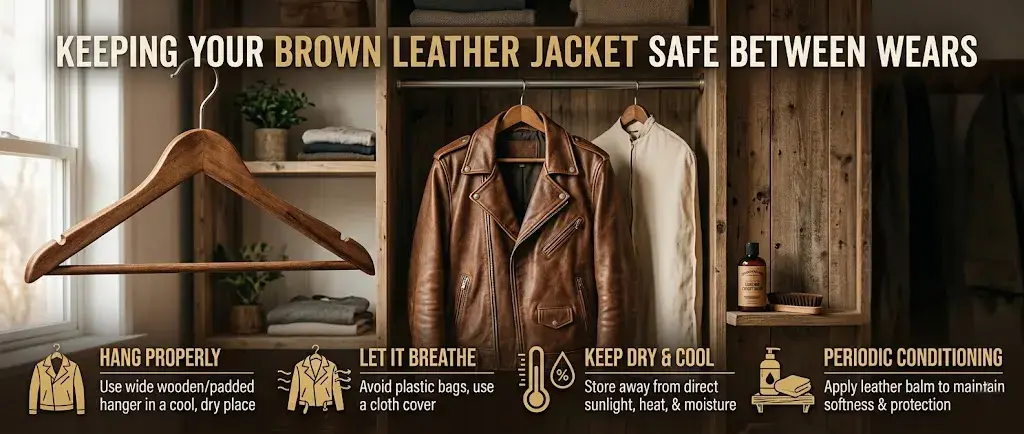
Keeping Your Brown Leather Jacket Safe Between Wears
Daily Storage Tips
Store leather jacket on a wide, padded hanger — never on a thin wire hanger which distorts the shoulders over time. Keep it hung in an area with decent air circulation and away from direct sunlight which fades brown leather unevenly. Do not store it compressed between other clothing in a tight wardrobe — leather needs to breathe and pressure over time causes permanent creasing.
Off-Season Storage
For seasonal leather storage when you are putting the jacket away for summer, clean and condition it thoroughly before storing. Use a breathable garment bag — never plastic, which traps moisture and encourages mold growth. Leather jacket storage tips from most care experts also include placing a small amount of cedar inside the bag to repel moths and absorb any moisture without drying the leather out aggressively.
What If Your Jacket Gets Wet?
If your jacket gets caught in the rain, do not panic. Shake off excess water, hang it on a padded hanger in a ventilated room, and let it dry slowly at room temperature. Once dry — and only once fully dry — apply a good conditioner to restore the moisture the water drew out of the leather. Prevent mold on leather by ensuring it is completely dry before storing. Never fold a wet leather jacket or leave it balled up on a chair.
Frequently Asked Questions About Cleaning Brown Leather Jackets
No. Machine washing destroys leather — it strips the natural oils, warps the shape, damages stitching, and often causes irreversible cracking and shrinking. Always hand clean leather using the methods above.
Hang it in fresh air for a day. For stronger odors, place a bowl of baking soda near the jacket inside a closed wardrobe overnight — it absorbs odors without touching the leather. A light spray of diluted white vinegar on the lining can also neutralize stubborn smells.
A surface wipe every few weeks and a full leather jacket care clean every three to four months is a reasonable routine for regular wear. Condition it every time you clean it and after any heavy rain exposure.
It helps. A beeswax-based waterproofing product applied after conditioning adds a layer of protection against light rain and moisture without changing the look or feel significantly. It is not a substitute for proper drying and conditioning after getting wet but it reduces the frequency of water damage incidents.
A mixture of equal parts white vinegar and water applied with a soft cloth handles light dirt and surface grime effectively. Follow with a small amount of coconut oil or olive oil worked in gently as a basic conditioner. It is not as thorough as proper leather cleaner and conditioner, but it works reasonably well for maintenance between proper cleans.