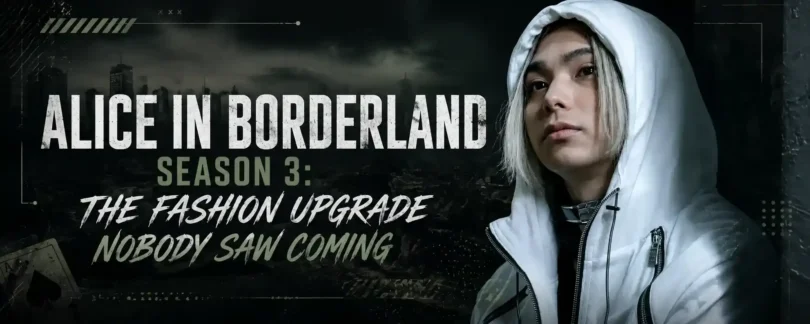
If you’ve been keeping up with Alice in Borderland Season 3 since it first dropped on Netflix, you already know the show doesn’t do anything halfway. The games are brutal, the twists are wild, the costume design quietly became one of the most talked about things online. In addition, Season 3 Jackets just changed the whole conversation, though. Since this time around, the wardrobe isn’t just background noise. It’s practically a character on its own.
And honestly? Nobody really saw this coming.
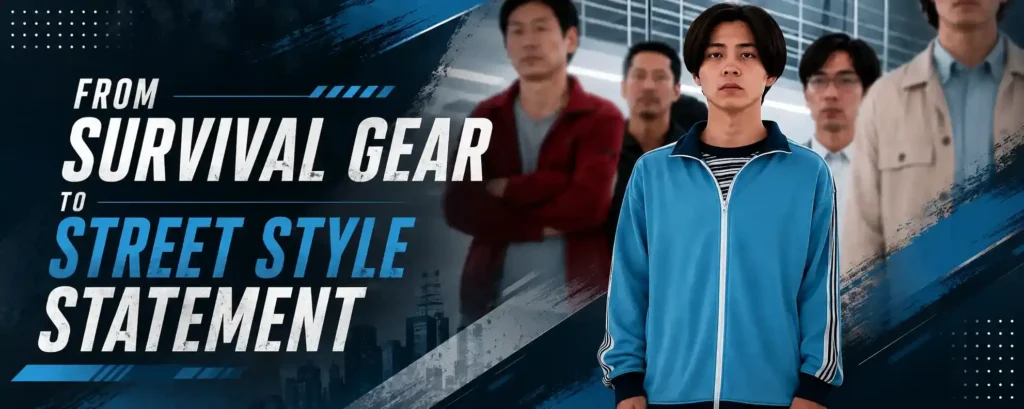
From Survival Gear to Street Style Statement
What started as practical clothing for survival and harsh conditions has slowly found its way into everyday fashion. The interesting part is that people are not wearing these pieces because they have to, they wear them because they genuinely like the look and comfort. Somewhere along the way, survival gear stopped feeling purely functional and became a style statement of its own.
When Post-Apocalyptic Dressing Got an Upgrade
Most dystopian shows stick to the same formula: torn clothes, muted colors, everything looks dirty and desperate. Alice in Borderland used to lean into that aesthetic pretty hard, especially in the earlier seasons where Arisu and the crew were just trying to stay alive long enough to see the next morning. Season 3 shifts that entirely. The costume department clearly got a bigger budget or a bolder vision, probably both. What you’re seeing now on screen pulls heavily from Tactical Streetwear aesthetics. The kind of looks that feel like they belong in a high-end editorial shoot just as much as they do in a death game arena.
The Color Palette That Changed Everything
Earlier seasons kept things pretty gritty. Browns, grays, faded blacks. It matched the mood. But Season 3 introduces this interesting tension between the bleakness of the Borderland world and these unexpected pops of structured color. In addition, deep teals, burnt oranges, plus crisp off-whites are showing up in ways that feel deliberate. It’s the kind of color work you see in Premium Japanese Streetwear brands that have been influencing global fashion for a while now. Characters who are more confident in who they’ve become wear fits that reflect that. It’s subtle but once you notice it, you can’t unsee it.
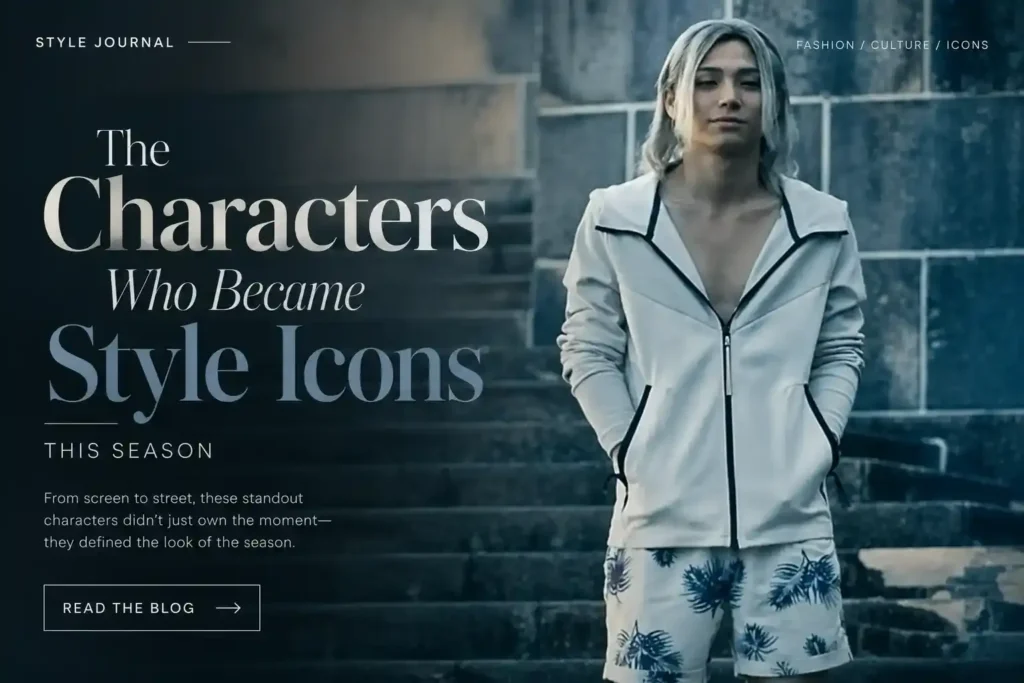
The Characters Who Became Style Icons in Alice in Borderland Season 3
Not every character becomes memorable because of what they say. Sometimes it is the way they carry themselves or the outfits they wear that stick with viewers. This season had a few characters who made even the simplest looks feel effortless, turning everyday outfits into something people actually wanted to recreate.
Arisu’s Evolution Is More Than Just Plot Deep
Ryohei Arisu started this whole journey as a guy in a hoodie who just wanted to play video games. By Season 3 he’s carrying the weight of an entire world and his wardrobe reflects every bit of that transformation. The fitted utility layers he’s rocking this season feel inspired by the Japanese Outdoor Fashion movement that’s been quietly blowing up in menswear circles. Not the over-branded, logo-heavy stuff. The clean, functional, quietly expensive-looking pieces that move well and photograph even better. His silhouette has become sharper, more controlled. It mirrors his character arc in a way that feels genuinely thoughtful rather than just costume department showing off.
Kuina and the Women’s Fashion Moment We Needed
Let’s be honest, female characters in survival shows often get the short end of the stick when it comes to costume design. Either they’re dressed impractically to look “fierce” or they’re given the same muddy browns as everyone else and called it a day. Season 3 does something different with Kuina especially. Her looks this season blend a kind of combat-ready minimalist fashion with genuine femininity that doesn’t feel forced. Clean lines, structured shoulders, fits that actually make sense for someone who fights for her life regularly. It’s refreshing and the fashion crowd online has noticed. Her outfits have been trending in certain style communities and rightly so.
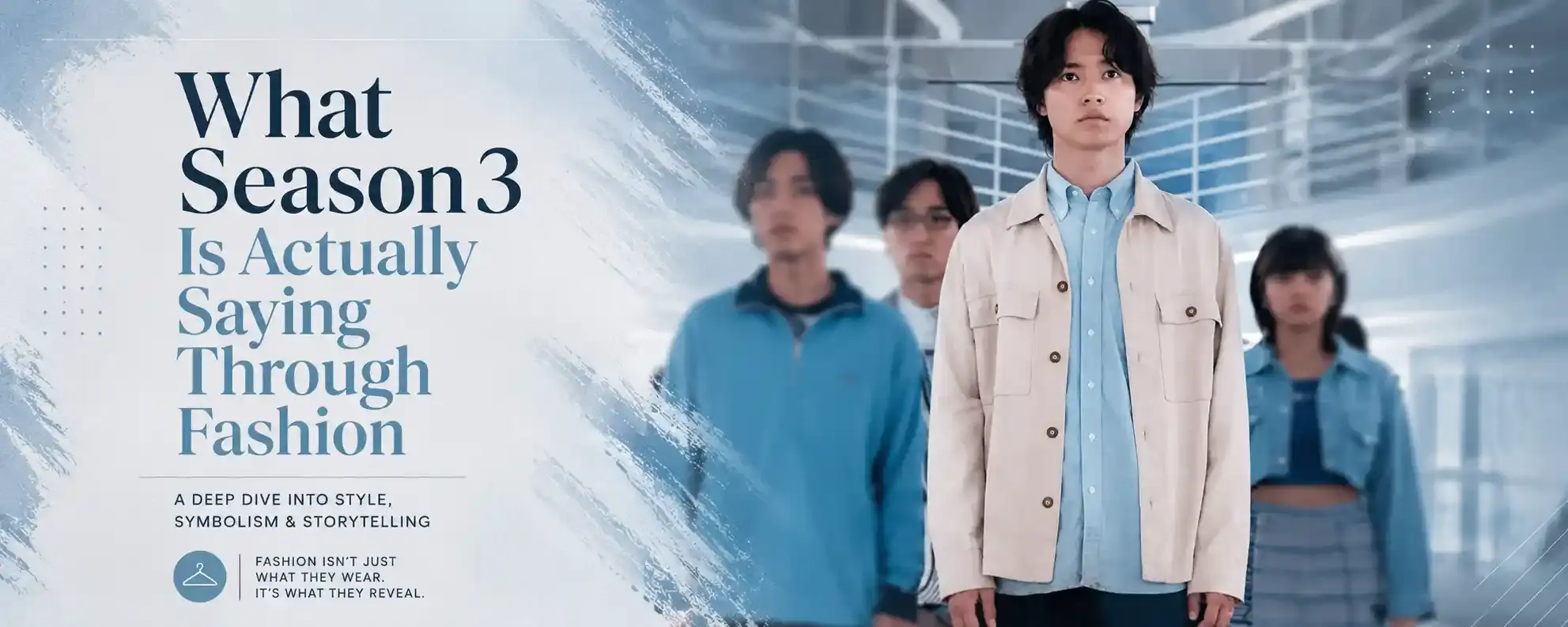
What Season 3 Is Actually Saying Through Fashion
The clothing this season feels like more than just something the characters wear. It quietly reflects their struggles, confidence, and the changes they go through along the way. If you look closely, some outfits tell a story before the dialogue even begins.
Clothes as Character Development, Not Just Costume
Here’s the thing that makes Alice In Borderland Season 3 Fashion genuinely interesting from a design perspective. The showrunners and costume team appear to be using clothing as a form of visual storytelling that runs parallel to the actual script. Characters who have lost hope dress differently than characters who are fighting for something. There’s a quiet language happening through fit, fabric weight, and layering that rewards closer attention. This approach is something high-concept fashion editorial directors have been doing in print for decades but seeing it translated to a mainstream Netflix series at this level is genuinely exciting. It elevates the show beyond its genre.
The Borderland Aesthetic Is Influencing Real Fashion
This might sound like a stretch but look at what’s been happening on social media since Season 3 dropped. People are putting together outfits inspired by specific characters. The searches for structured tactical layers, utility vests with clean silhouettes, and dark tonal dressing have spiked noticeably in fashion communities. The Borderland look is bleeding into real world style conversations in a way the earlier seasons never quite managed. Brands paying attention to Anime-Inspired Menswear Trends already know that when a show gets the fashion right, the cultural spillover into actual consumer behavior is real and it moves fast.
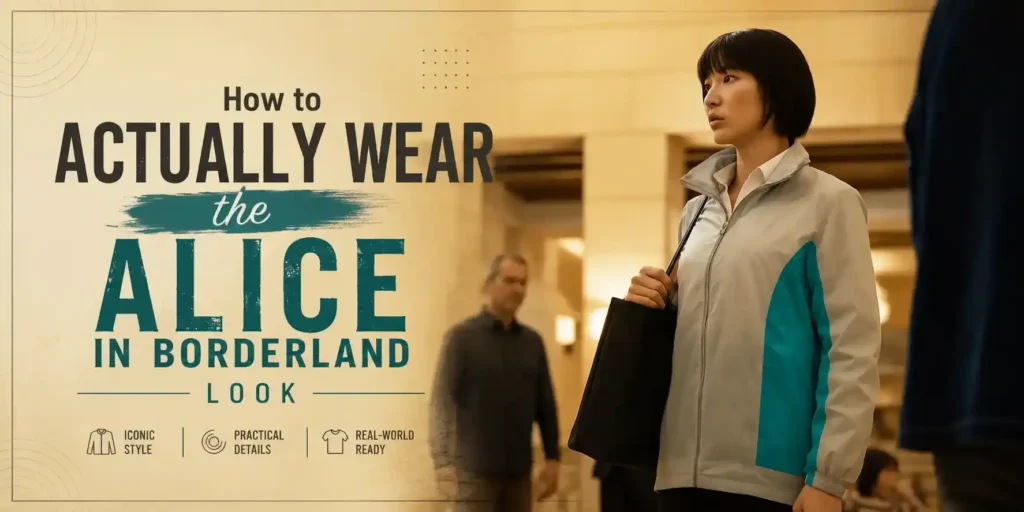
How to Actually Wear the Alice in Borderland Look
The good thing about this style is that it does not require a complete wardrobe change. Most of the look comes from simple layers, practical jackets, relaxed fits, and pieces that feel natural rather than overly styled. The goal is to look effortless, not like you are wearing a costume from the show.
Building the Aesthetic Without Looking Costume-y
The trap most people fall into when they want to dress inspired by a show is going too literal. You don’t need to look like you’re about to play a death game. What you want is the energy of the aesthetic: layered, intentional, slightly utilitarian but still clean. Start with a base of well-fitted neutrals. Add structure through an outer layer, something with interesting seaming or hardware details. Footwear matters more than people think in this look, boots or clean chunky trainers anchor the whole fit. Vanquishe has been nailing exactly this kind of elevated functional aesthetic with pieces that translate the visual language of shows like Alice in Borderland into wearable, everyday clothing without losing the edge.
Accessories That Complete the Look
The characters in Season 3 don’t over-accessorize but what they do wear counts. Watches with utilitarian faces, subtle bags with clean design, nothing too loud. The philosophy seems to be that every item you’re wearing should have a reason to be there. This idea of intentional accessorizing connects directly to the minimalist urban explorer style that has been growing steadily among fashion-forward men in their 20s and 30s across the US. It’s not about wearing less, it’s about wearing things that earn their place in the outfit. That shift in thinking alone will immediately upgrade how you put clothes together regardless of whether you’re drawing from the show’s aesthetic or not.
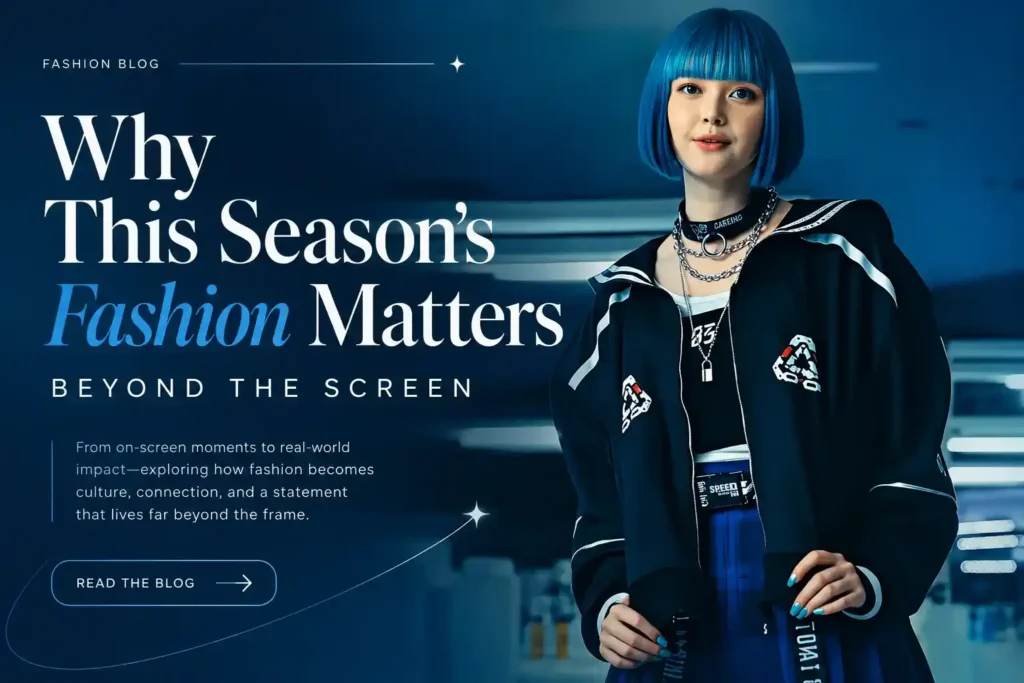
Why This Season’s Fashion Matters Beyond the Screen
What makes the fashion stand out this season is how easily it connects with real life. The outfits do not feel locked inside a television world because many of the pieces are things people can actually imagine wearing themselves. That is probably why the style is getting attention beyond the show and finding its way into everyday wardrobes.
A New Standard for Genre Show Costume Design
What Alice in Borderland Season 3 has done for costume design in the survival drama genre is actually kind of significant. It proves that you don’t have to sacrifice visual sophistication for narrative grittiness. The two can coexist and in fact, when they do, the storytelling gets richer. Other shows in the genre have defaulted to functional ugliness for so long that audiences kind of accepted it as the norm. Season 3 challenges that assumption hard. And the response from viewers, especially those with a fashion eye, has been overwhelmingly positive. This might set a new expectation for what prestige dystopian television fashion looks like going forward and honestly that would be a great thing.
The Cultural Conversation This Fashion Moment Started
Fashion in media has always reflected something larger about where culture is heading. Alice in Borderland Season 3 arriving with this level of costume sophistication at a moment when menswear is going through its own quiet revolution feels like more than coincidence. The interest in functional, structured, narrative-driven dressing is growing. People want clothes that feel like they mean something. The show tapped into that appetite perfectly. Whether or not the costume designers were thinking about all of this consciously, the result is a body of fashion work within a Netflix series that people are genuinely studying, referencing, and drawing inspiration from. That’s not nothing. That’s a genuine cultural moment.
FAQs
Yes, Season 3 has been officially confirmed by Netflix and is highly anticipated by fans worldwide.
Season 3 features more intentional, structured, and aesthetically elevated costume design compared to the rawer survival looks of previous seasons.
Absolutely, focus on layered neutral fits, utility-inspired pieces, and clean structured outerwear to get the vibe without looking costume-y.
Arisu and Kuina both receive significant style upgrades this season, with many fans citing their looks as standout fashion moments.
When a show gets the aesthetic right, it taps into existing cultural moods and consumer desires, naturally driving interest in similar real-world styles.